RUSSELL GLASGOW, PhD
 Research Professor, Department of Family Medicine, School of Medicine at the University of Colorado
Director of the Dissemination and Implementation Program of the Adult and Child Consortium for Health Outcome Research and Delivery Science.
Russell E. Glasgow, PhD, is Research Professor in the Department of Family Medicine, School of Medicine at the University of Colorado and Director of the Dissemination and Implementation Program of the Adult and Child Consortium for Health Outcome Research and Delivery Science there. His research focuses on issues of designing for implementation and sustainability, understanding and assessing adaptations to programs, and development and evaluation of pragmatic models and measures. Russell is a behavioral scientist who specializes in the development and assessment of chronic illness prevention and self-management programs.
Russell has 15 years of experience in implementation science and over 25 years of experience in intervention and health outcomes research. He has over 450 peer reviewed publications, most of them related to applied research issues, evaluating and enhancing generalizability of research, pragmatic research methods and frameworks, and ways to enhance implementation and dissemination.
GREGORY A. AARONS, PhD
 Professor, Department of Psychiatry, University of Calfiornia San Diego
Gregory Aarons, PhD is a clinical and organizational psychologist, Professor of Psychiatry at UC San Diego, Co-Director of the UCSD Dissemination and Implementation Science Center (UCSD-DISC) and Director of the Child and Adolescent Services Research Center (CASRC). He is co-developer of the Exploration, Preparation, Implementation, Sustainment (EPIS) framework (https://episframework.com) and developer of the Leadership and organizational Change for Implementation strategy (https://implementationleadership.com). Dr. Aarons has published over 230 peer-reviewed papers. His work has been featured in policy reports from the Institute of Medicine including “New Directions in Child Abuse and Neglect Research” and “Psychosocial Interventions of Mental and Substance Use Disorders.”
AMY KILBOURNE, PhD MPH
 Director, VA Quality Enhancement Research Institute (QUERI)
Dr. Kilbourne is Director of the Quality Enhancement Research initiative (QUERI) in the U.S. Department of Veterans Affairs, and Professor of Learning Health Sciences at University of Michigan. Her goal is to improve public health outcomes through implementation strategies that help providers scale up and spread effective innovations in real-world settings
IAN GRAHAM, PhD
 Professor, University of Ottawa
Ian Graham, PhD, FCAHS, FNYAM, FRSC is a Professor in the School of Epidemiology and Public Health at the University of Ottawa and a Senior Scientist at the Centre for Practice-Changing Research at the Ottawa Hospital Research Institute. From 2006 to 2012 he was seconded to the position of Vice President of Knowledge Translation at the Canadian Institutes of Health Research. His research program focuses on understanding how engaging patients and other stakeholders in the research process (known as integrated knowledge translation) works and the impact it produces. He is co-originator of the Ottawa Model of Research Use; the Practice Guideline Evaluation and Adaptation Cycle; the Knowledge to Action framework; CAN-IMPLEMENT, and a founding member of the international ADAPTE collaboration.
ROSS BROWNSON, PhD
 Lipstein Distinguished Professor, Washington University St. Louis
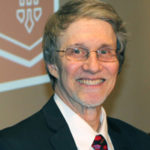
Ross C. Brownson, PhD, is the Lipstein Distinguished Professor of Public Health at Washington University in St. Louis. He directs the CDC-supported Prevention Research Center and co-directs the Washington University Implementation Science Center for Cancer Control (supported by the NCI). Dr. Brownson studies the translation of evidence to public health practice and policy, with a content focus on environmental and policy determinants of chronic diseases. Dr. Brownson is the author of 15 books and over 550 peer-reviewed articles. He has received numerous awards for his work. Among these, he is the recipient of the American Public Health Association’s (APHA) Abraham Lilienfeld Award for excellence in teaching and mentoring (2003) and the APHA Award for Excellence (2016). Dr. Brownson is a former president of the American College of Epidemiology and the National Association of Chronic Disease Directors.
 Associate Professor, Clinician-Investigator, Division of General Internal Medicine University of Colorado
 Associate Professor in the Department of Family Medicine at the University of Colorado School of Medicine, Anschutz Medical Campus